

The Ultimate Guide to African Peanuts: Surprising Benefits, Vibrant Nutrition and Hidden Facts You’ll Love

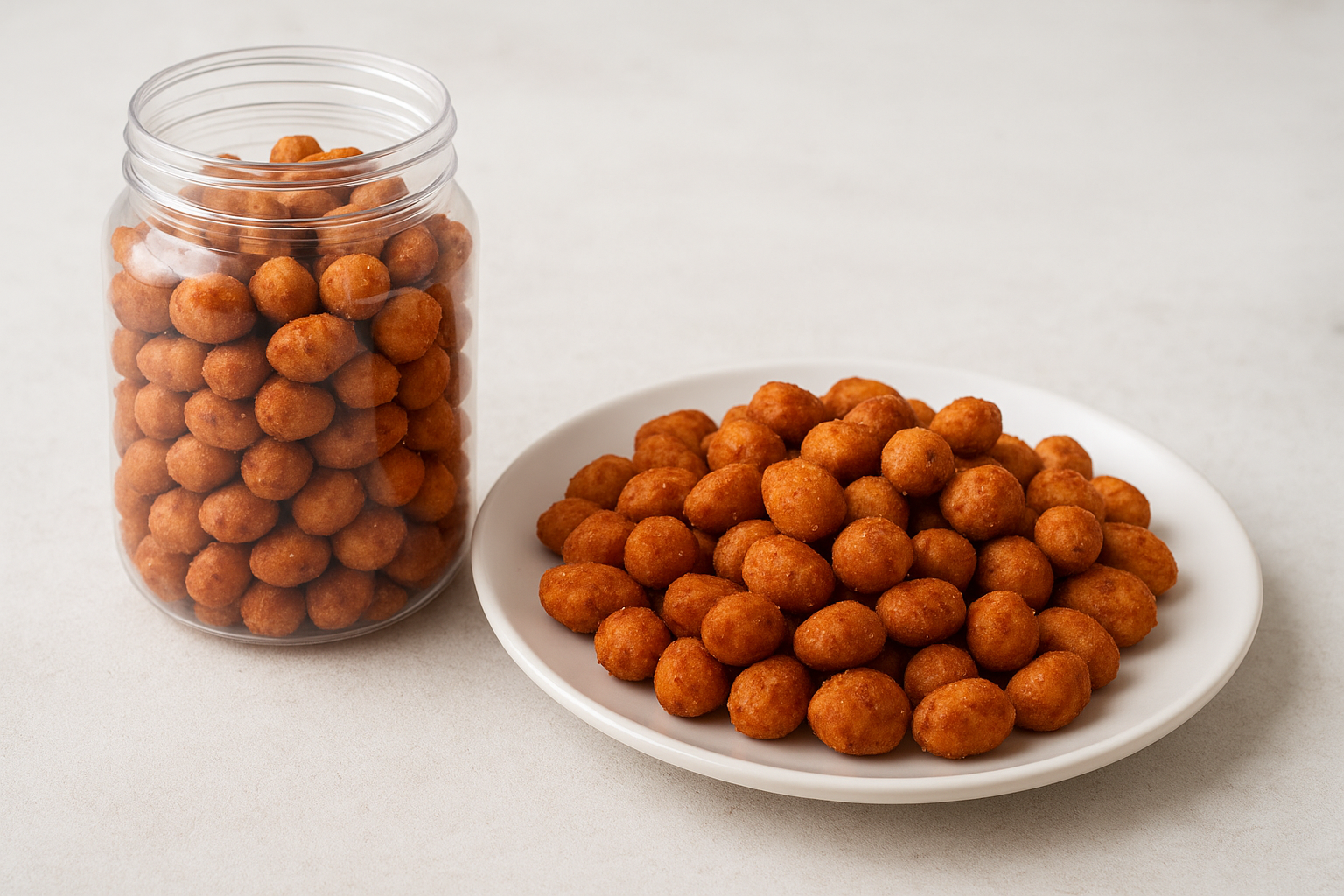
African Peanuts — also known as coated groundnuts — are one of West Africa’s most addictive and nostalgic snacks. Crunchy, flavourful, filling, and deeply satisfying, they’re made by coating groundnuts in a seasoned flour mix and frying them until golden and crisp.
If you grew up with this snack, you already know how comforting that first crunchy bite is. But beyond taste, many people now want to understand the health benefits, calories, weight-loss impact, and whether African Peanuts are healthy or harmful..
What Exactly Are African Peanuts?
African Peanuts (coated groundnuts) are:
- Raw groundnuts
- Coated in flour (often wheat flour)
- Mixed with spices like salt, pepper, ginger or garlic
- Then deep-fried or air-fried until crisp
They are similar to “candied nuts” or “coated peanuts” abroad, but with a distinctly African twist — bolder flavour, more crunch, and richer aroma.
Some people call them:
- Coated Groundnuts
- Crunchy Groundnuts
- Burger
- Crispy Peanuts
There is no special English name, but “peanut burger” is the closest.
Is African Peanut Good for You?
Yes — in moderation.
African Peanuts contain all the natural benefits of groundnuts, including:
- Rich protein
- Healthy fats
- Fiber
- Magnesium, potassium, and vitamin E
- Antioxidants that support heart health
The only part that raises concern is the deep frying, which adds extra calories and oil. But overall, it is still a nutrient-dense snack.
What Are the Health Benefits of African Peanuts?
Here are the powerful benefits:
1. Boosts energy quickly
Peanuts are naturally energy-dense, making them a great snack for long days.
2. Supports heart health
Groundnuts contain monounsaturated fats — the same type found in olive oil.
3. Helps control hunger
Their high protein + fiber combination reduces cravings.
4. Supports muscle and body repair
Peanuts provide plant-based protein that helps the body maintain strength.
5. Provides antioxidants
They contain resveratrol and vitamin E, both known for anti-aging and immune support.
How Many Calories Do African Peanuts Have?
On average:
- 100g of coated African peanuts = 500–550 calories
Because they are fried, the calorie count is higher than raw or roasted peanuts.
Is African Peanut Unhealthy?
Not necessarily.
It depends on how much you eat.
What increases the “unhealthy” aspect:
- Deep frying
- Excess salt
- Eating in large quantities
But in small portions, African Peanuts are absolutely fine and full of nutrients.
Is There Sugar in African Peanuts?
Traditionally, no.
The standard recipe has:
- Peanuts
- Flour
- Salt
- Pepper
- Oil
However, some commercial brands add:
- Sugar
- Sweeteners
- Flavour enhancers
So check labels if you’re buying packaged versions.
Can I Eat African Peanuts During Weight Loss?
Yes — but with portion control.
Here’s why they can fit into a diet:
- They keep you full
- They reduce cravings
- They prevent overeating later
But because they’re calorie-dense and fried:
- Stick to 1 small handful (20–30g)
- Avoid eating them daily
- Choose air-fried or low-oil versions if possible
So YES, you can eat them, carefully.
Is African Peanut Vegetarian or Vegan?
Yes, completely.
It contains:
- Peanuts
- Flour
- Spices
- Oil
All plant-based.
So African Peanuts are vegan, vegetarian, and plant-powered.
Is African Peanut Good for Diabetics?
In moderation, yes.
Peanuts have a low glycemic index, meaning they don’t spike blood sugar.
But because coated groundnuts are:
- Fried
- Sometimes salted
- Occasionally sweetened
A diabetic person should:
- Eat very small portions
- Choose unsweetened versions
- Avoid overly oily products
When eaten carefully, it can be a safe snack.
Where to Buy Fresh African Peanuts in North America
If you want clean, delicious, freshly-made African coated peanuts, Seller Africa delivers premium quality directly to customers in the US, Canada, and North America.
References
- African Food Heritage Research Center
- USDA Peanut Nutritional Database
- FAO Reports on African Groundnut Production
- West African Snack Culture Publications
Refer friends and colleagues—get paid for every signup!
Thank you for sharing! That’s a great opportunity—earning while helping others discover valuable services is a win-win 👍
Monetize your traffic instantly—enroll in our affiliate network!
Start earning on every sale—become our affiliate partner today!
Your audience, your profits—become an affiliate today!