
Is Kilishi Healthy? Everything You Need to Know About This Snack

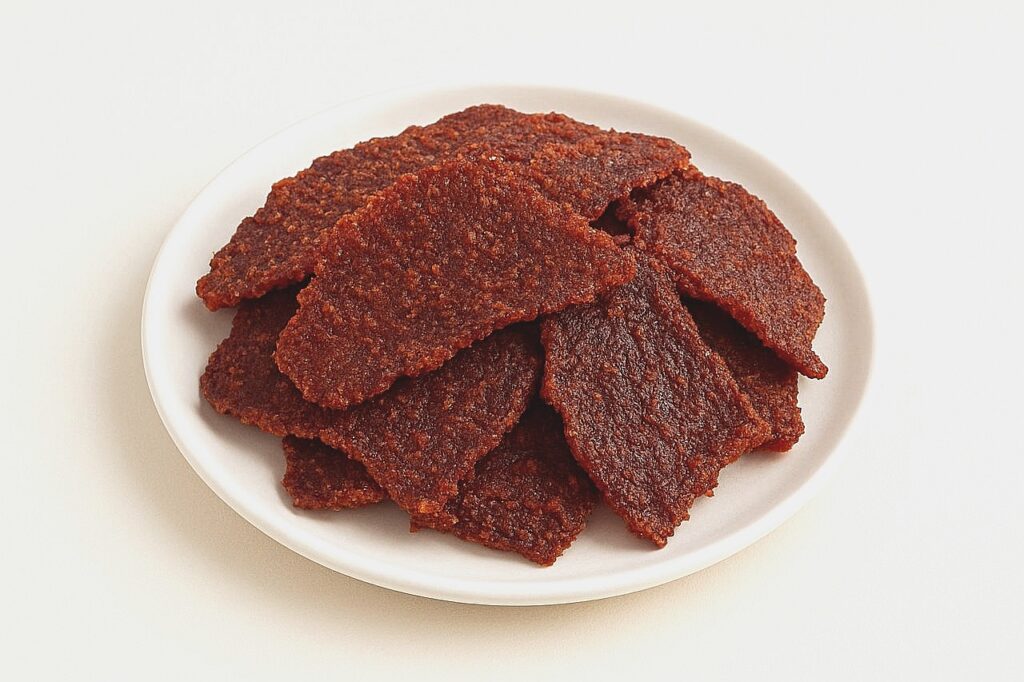
Kilishi has become one of Africa’s most loved high-protein snacks — thin slices of beef dried, coated in a flavorful peanut-spice paste, and roasted for a crunchy finish. As Africans abroad introduce kilishi to new audiences, people are beginning to ask important questions about what it’s called in English, how it compares to beef jerky, and whether it’s actually healthy.
If you’ve ever wondered “Is kilishi healthy?”, this guide answers that and everything else people are curious about.
What Is the English Name of Kilishi?
Kilishi does not have a single official English name, but the most accurate description is “spicy African dried beef.” Some people casually refer to it as “African jerky,” but it’s a unique product with its own preparation process and cultural identity.
Just like words such as “sushi” or “shawarma,” kilishi has now become globally recognized in its original name and that’s the best way to refer to it.
Is Kilishi the Same as Beef Jerky?
No, kilishi and beef jerky are not the same, even though they belong to the same family of dried meat snacks.
Kilishi is traditionally sun-dried in Northern Nigeria using thin slices of beef. These slices are coated in a spicy mixture of ground peanuts, ginger, pepper, onions, and local aromatics. After drying again, the meat is roasted over heat to lock in flavor.
Beef jerky, on the other hand, is usually marinated in sugar, salt, seasonings, and preservatives, then dehydrated in commercial dryers. It is thicker, chewier, and often sweeter or saltier.
Kilishi is naturally spicier, crunchier, and free from artificial chemicals — especially when sourced from authentic African vendors.
Is Kilishi Healthy?
Kilishi is considered a healthy snack when prepared cleanly and traditionally. If your main question is “Is kilishi healthy?”, here’s what you should know:
Why Kilishi Is Good for You
- It is high in protein, which helps with satiety and muscle repair.
- It contains healthy fats from the peanut coating.
- It is very low in carbohydrates, making it suitable for low-carb diets.
- It contains iron, zinc, and B vitamins from lean beef.
- It has no added sugar, unlike many commercial snacks.
When properly prepared, kilishi is a nutrient-rich alternative to sugary or processed snacks.
Can I Eat Kilishi During Weight Loss?
Yes — kilishi can fit into a weight-loss plan.
Protein plays a key role in weight management because it keeps you full, reduces cravings, and boosts metabolism. Kilishi is naturally low in carbs, which makes it ideal for people on keto, low-carb, or high-protein diets.
Just remember: because kilishi is dried meat, it’s calorie-dense. Small portions go a long way.
Some of the best weight-loss snacks include:
- Kilishi
- Hard-boiled eggs
- Nuts in small portions
- Fruits like apples or berries
- Greek yogurt
- Air-popped popcorn
Kilishi stands out because it combines convenience, high protein, and rich flavor — without sugar.
Is Kilishi Processed Meat, and Is It High in Protein?
Kilishi is technically processed because it undergoes drying and roasting, but it is minimally processed. Traditional kilishi does not contain preservatives, nitrates, artificial colorants, or synthetic flavor enhancers — unlike most store-bought jerky.
Yes, kilishi is very high in protein. Because it is dried, the protein becomes more concentrated. A typical serving can deliver between 40–55g of protein per 100g, making it one of the highest-protein African snacks available.
This makes it popular among busy professionals, gym-goers, travelers, and anyone who wants a filling, natural snack.
Where to Buy Clean, Original Kilishi
Quality matters a lot when buying kilishi. Some versions on the market may be too salty, too oily, or prepared in unsanitary conditions.
For people in the United States, Canada, and Mexico, the safest and most reliable source for premium kilishi is:
Seller Africa — Authentic, Clean, Well-Prepared Kilishi
Seller Africa works with trusted African vendors who prepare kilishi hygienically, using original ingredients and traditional methods. This ensures:
- No preservatives
- No artificial additives
- Neatly packaged and safely handled
- Fresh, original Northern Nigerian flavor
You can insert your kilishi product link here.
Product Recommendations
Here are recommended versions you can showcase on Seller Africa:
- Original Spicy Kilishi (Hausa Style)
- Mild Kilishi (Low Spice Version)
- Fitness Kilishi (Lean Cut, Low Fat)
- Goat Meat Kilishi for Extra Flavor
Place your links under each product.
FAQs
What do Mexicans call beef jerky?
They call it carne seca, especially in Northern Mexico.
What is biltong called in the USA?
It’s still called biltong — the South African name remains the same.
Is kilishi spicy?
Traditional kilishi is spicy, but mild versions exist.
Can diabetics eat kilishi?
Yes — kilishi contains almost no sugar.
Is kilishi gluten-free?
Yes. Traditional kilishi is naturally gluten-free.
References
- USDA FoodData Central – Dried Beef Nutritional Values
- Harvard T.H. Chan School of Public Health – High Protein Diet Research
- Nigerian Institute of Food Science – Traditional Meat Drying Techniques
- Healthline – Lean Meat Benefits
- Mayo Clinic – Sodium Levels in Processed Meat