

Is Kuli Kuli Healthy? Everything You Need to Know Before Snacking

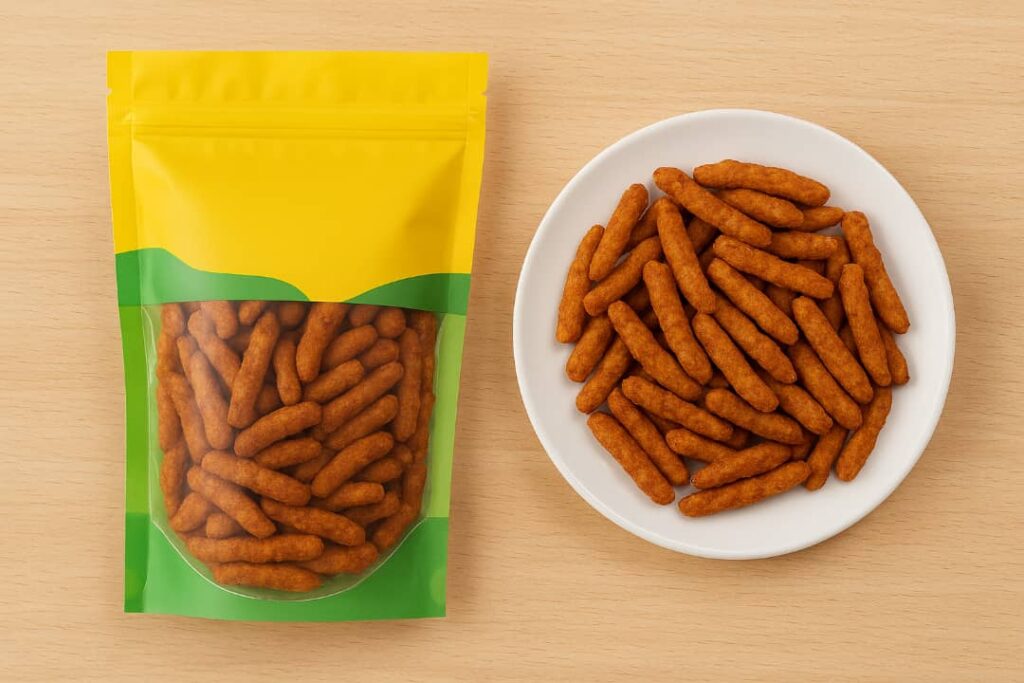
Kuli Kuli is one of West Africa’s most iconic snacks, crunchy, flavourful, satisfying and deeply rooted in tradition. Whether you grew up eating it with garri, soaked it in cold pap, or simply enjoyed it as an on-the-go snack, one thing is true: Kuli Kuli has become a global curiosity.
But is it healthy? Can you eat it during weight loss? Is it vegan? And how does it compare to modern snack options?
This blog breaks everything down in a simple, honest way so you can enjoy your Kuli Kuli the smart way.
And yes, Seller Africa vendors produce clean, properly processed, hygienic, original Kuli Kuli that you can order anytime if you love the authentic taste.
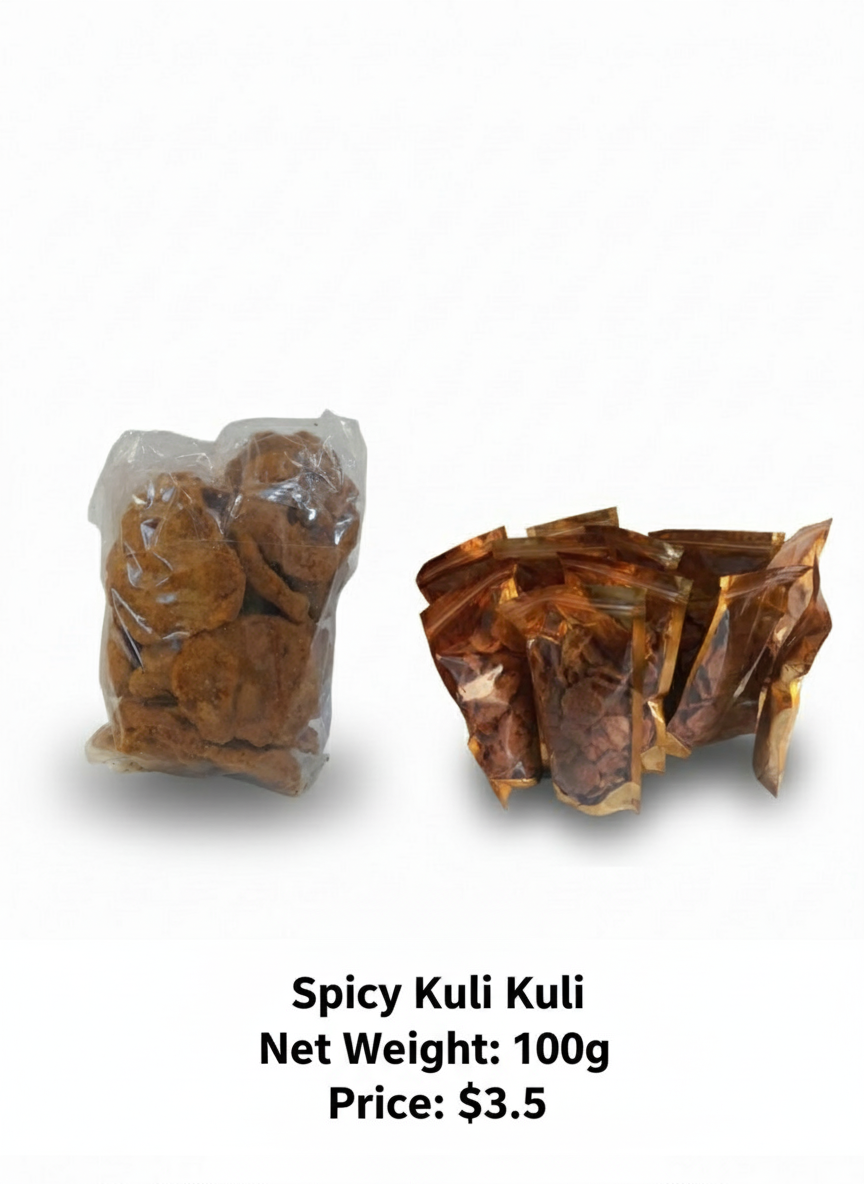
What Is Kuli Kuli Called in English?
Kuli Kuli doesn’t have a perfect English name because it’s a uniquely West African food, but the closest description is:
“Spicy peanut snack” or “Groundnut fritters.”
It is made mainly from roasted peanuts, blended into a paste, excess oil squeezed out, and then fried into crunchy sticks or balls.
In Nigeria, Niger Republic, and Northern Ghana, it’s a cultural staple, not just a snack.
This simplicity is one reason many people consider it healthier than many modern packaged snacks.
Is Kuli Kuli Healthy?
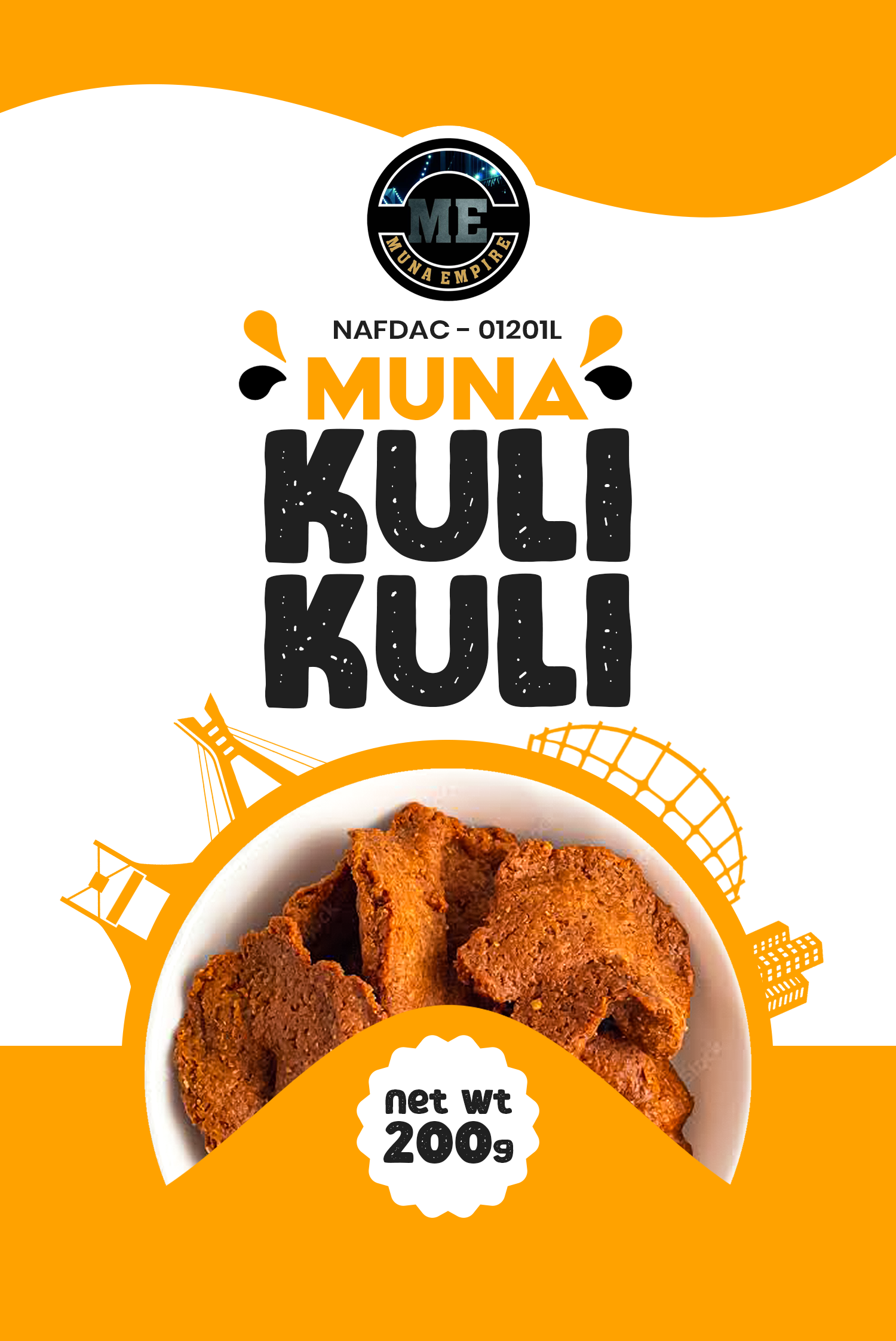
Kuli Kuli can be healthy depending on how it’s prepared and how much you eat.
Since it’s made primarily from peanuts, it naturally contains:
- Healthy fats
- Protein
- Fiber
- Vitamin E
- Magnesium
- Antioxidants
However, it is fried, which increases its calorie density. The good news? When prepared hygienically—like the fresh batches from Seller Africa vendors—you get a wholesome, clean, nutrient-rich snack.
Who benefits the most from Kuli Kuli?
- People who need energy-dense snacks
- Students
- Office workers
- Anyone looking for a protein-rich quick snack
- People replacing sugary snacks with healthier alternatives
Can I Eat Kuli Kuli During Weight Loss?
Yes, you can eat Kuli Kuli during weight loss, as long as you control your portions.
Here’s why:
- It is protein-rich, which helps you feel fuller for longer.
- The healthy fats in peanuts help reduce cravings.
- It’s more satisfying than sugary snacks like biscuits or candy.
How to enjoy Kuli Kuli if you’re trying to lose weight:
- Eat small portions (1–2 tablespoons of crushed Kuli Kuli or 1–2 sticks).
- Combine it with high-volume, low-calorie foods like soaked garri without sugar, salads, or fruits.
- Choose freshly made Kuli Kuli instead of overly processed ones with additives.
Is Kuli Kuli Unhealthy? (And How Many Calories Does It Have?)
Kuli Kuli is not unhealthy, but it is calorie-dense.
Estimated calories:
1 tablespoon (15g) → about 90–100 calories
One small stick (25g) → about 150–180 calories
It becomes unhealthy only when:
- It is fried in reused oil
- Sugar or artificial seasoning is added
- It’s consumed excessively
That’s why it matters to buy clean, fresh, original Kuli Kuli — like the neatly processed versions from Seller Africa’s trusted vendors.
Is There Sugar in Kuli Kuli?
Traditional Kuli Kuli does not contain sugar.
It’s made from:
- Roasted peanuts
- Salt
- Spices (optional)
- Oil (for frying)
Some commercial brands add sugar or sweet coatings, but original Northern-style Kuli Kuli remains sugar-free and low-carb.
Is Kuli Kuli Vegan or Vegetarian?
Yes, Kuli Kuli is naturally vegan.
It contains:
- No animal products
- No dairy
- No meat
- No eggs
It is made entirely from peanuts and spices, making it a great high-protein vegan snack.
Is Kuli Kuli Good for Diabetics?
Kuli Kuli can be good for diabetics when eaten in moderation because:
- It contains no sugar
- It is high in healthy fats
- It slows digestion, preventing blood sugar spikes
However, because it is calorie-dense, portion control is important.
Best way for diabetics to enjoy Kuli Kuli:
- Eat a small amount
- Pair it with fiber-rich foods like cucumbers, carrots, oats, or unsweetened garri
Bonus Question: What Happens if We Eat Dragon Fruit Daily?
Since people researching healthy snacks often ask this, here’s a quick answer:
Eating dragon fruit daily can help:
- Improve digestion
- Boost immune function
- Support glowing skin
- Stabilize blood sugar
- Provide antioxidants and hydration
It pairs well with Kuli Kuli if you’re building a healthy snacking lifestyle.
Best Product Recommendations (All Available on Seller Africa)
- Original Northern Kuli Kuli (Crunchy Sticks)
- Low-oil Kuli Kuli Balls
- Freshly Ground Kuli Kuli Powder for Garri and Pap
- Unsweetened Natural Peanut Snacks
- Healthy Weight-loss Snack Packs (Vendor Bundles)
All are hygienically prepared and packaged, perfect for home consumption or exports.
FAQs
Is Kuli Kuli Keto-friendly?
Yes—no carbs, no sugar, but eat small portions because it’s calorie-dense.
Can children eat Kuli Kuli?
Yes, if it’s fresh, clean, and eaten in moderate amounts.
Why is some Kuli Kuli darker than others?
Frying temperature and peanut roasting level cause variation.
Can I export Kuli Kuli?
Many Seller Africa vendors already exporting it—just ensure proper packaging.
References
- Nigerian Food Composition Table
- International Peanut Board Nutrition Overview
- Harvard School of Public Health – Healthy Fats Guide
- Diabetes UK – Nuts and Blood Sugar Study